
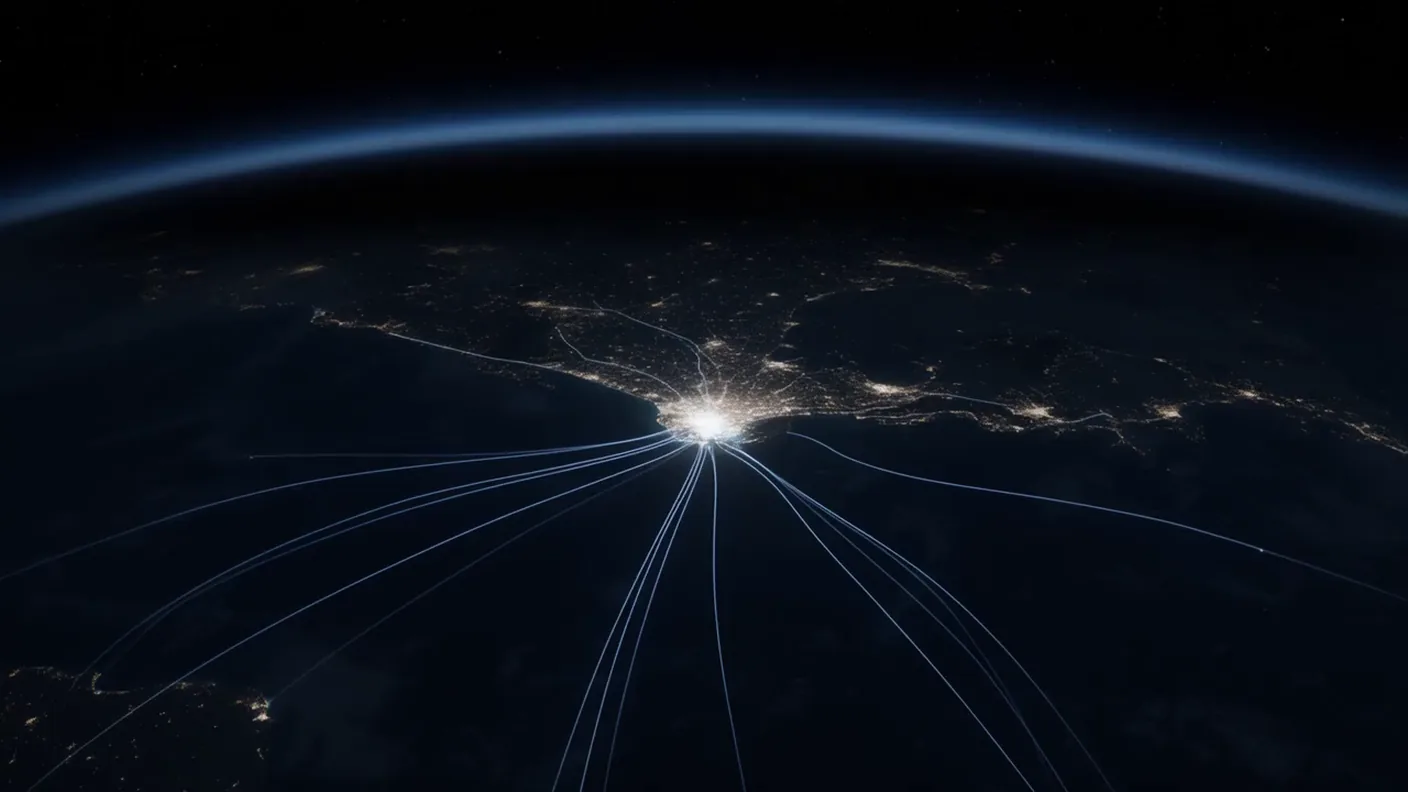
01 — the road
The Cable Map
Sent away, this is the road. Several of the places it goes are excellent, and a great deal of good work goes down it. But a cable map does not show who is standing where it lands.
The count, from here: unknown.
Ten chapters · scroll to move
Send a piece of work away and it travels a road, lands in a hall, and is read by whoever can rather than whoever would. This follows that road to the end, then follows the other choice: a building you already have the keys to, a floor you control, and one machine standing in a room you lock.
It is a film, not an article — the pictures move as you scroll. If your browser cannot run it, or you have asked your system to reduce motion, every chapter still reads as text and nothing is lost but the travel.
01 — the road
Sent away, this is the road. Several of the places it goes are excellent, and a great deal of good work goes down it. But a cable map does not show who is standing where it lands.
The count, from here: unknown.
02 — where it lands
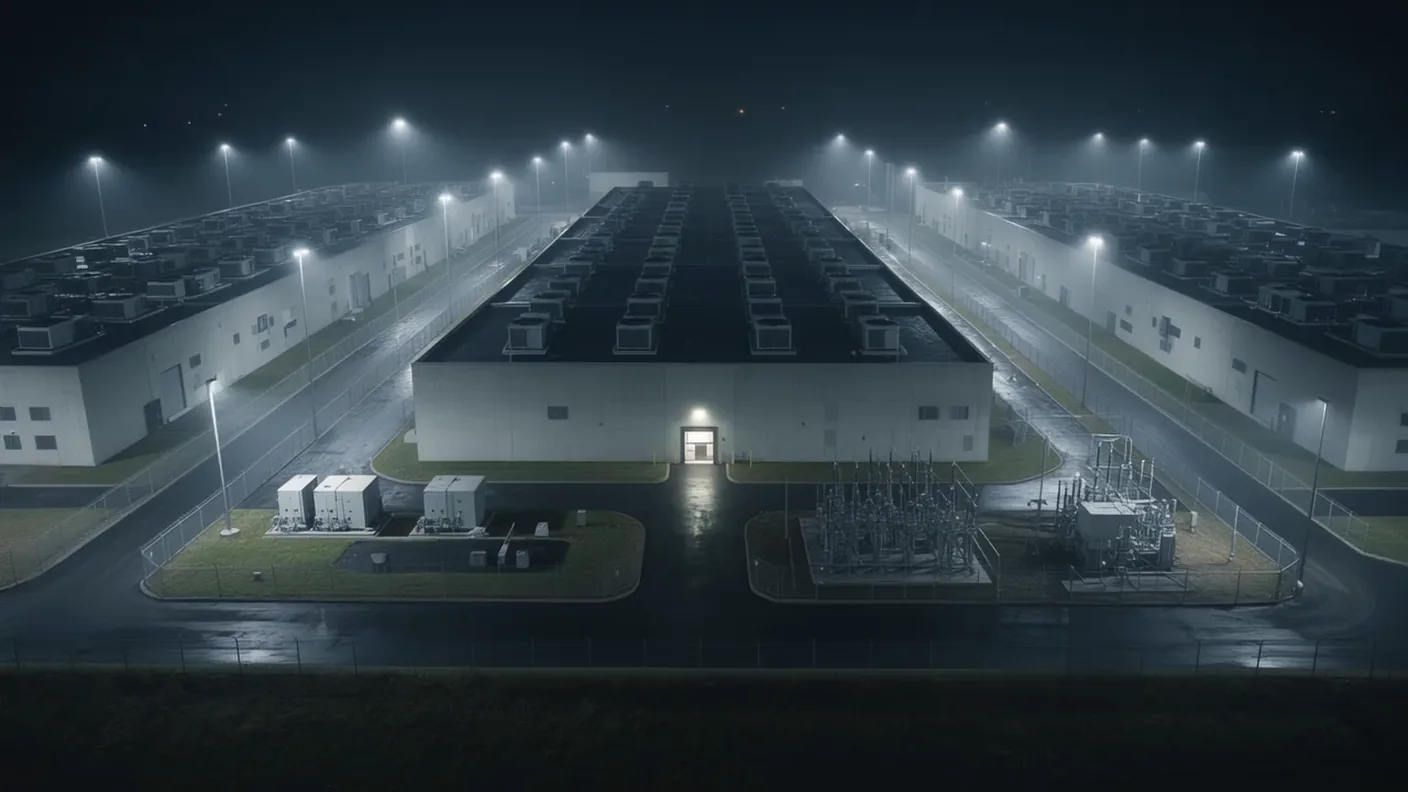
Where it lands there are two copies and you hold one. The other is readable by whoever can, not whoever would: staff under policy, systems under contract, anything a lawful order reaches. Every one of them contracted and competently run.
The count starts here, and it is never one.
03 — the other choice
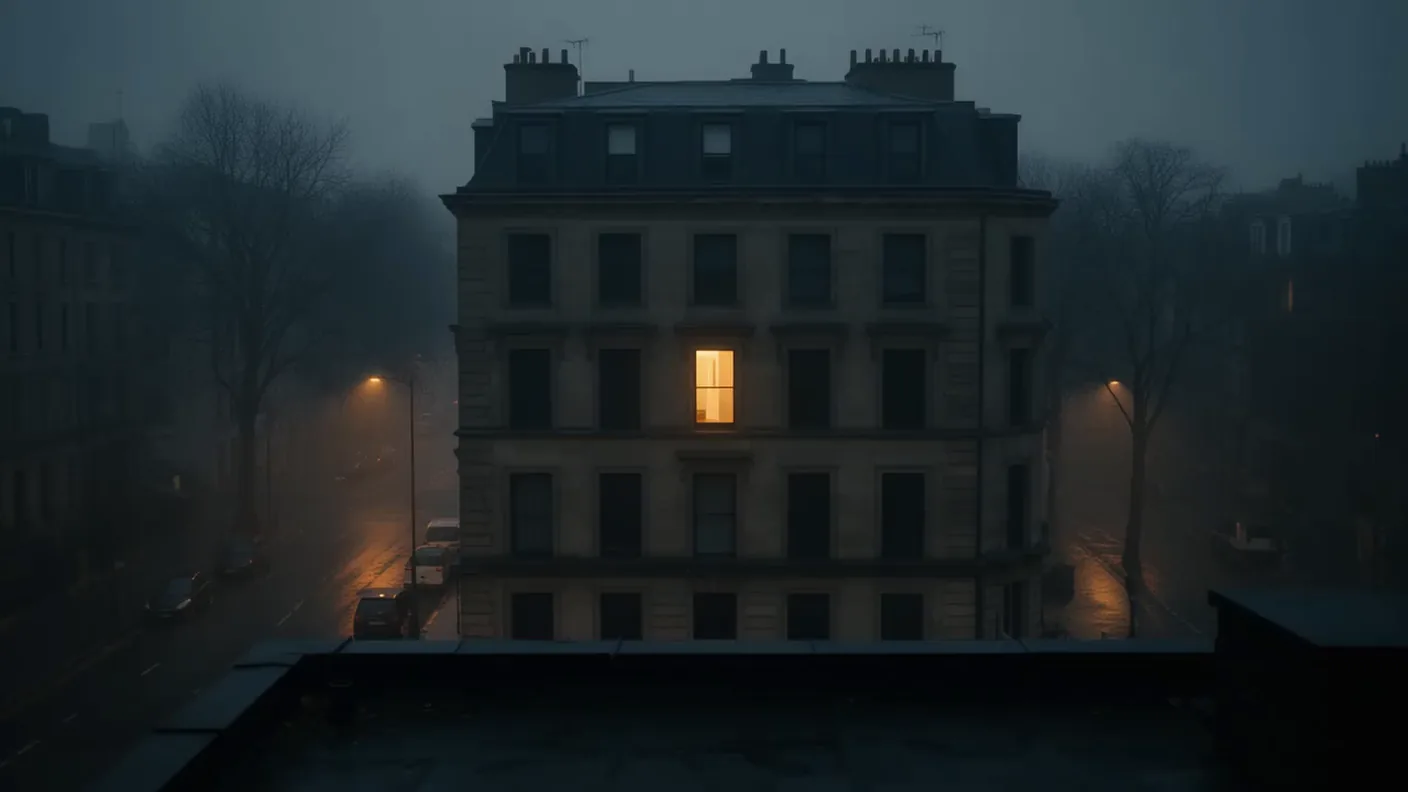
Or it never leaves. The other choice is a building you already have the keys to.
The count, from here: whoever can get through that door.
04 — the door
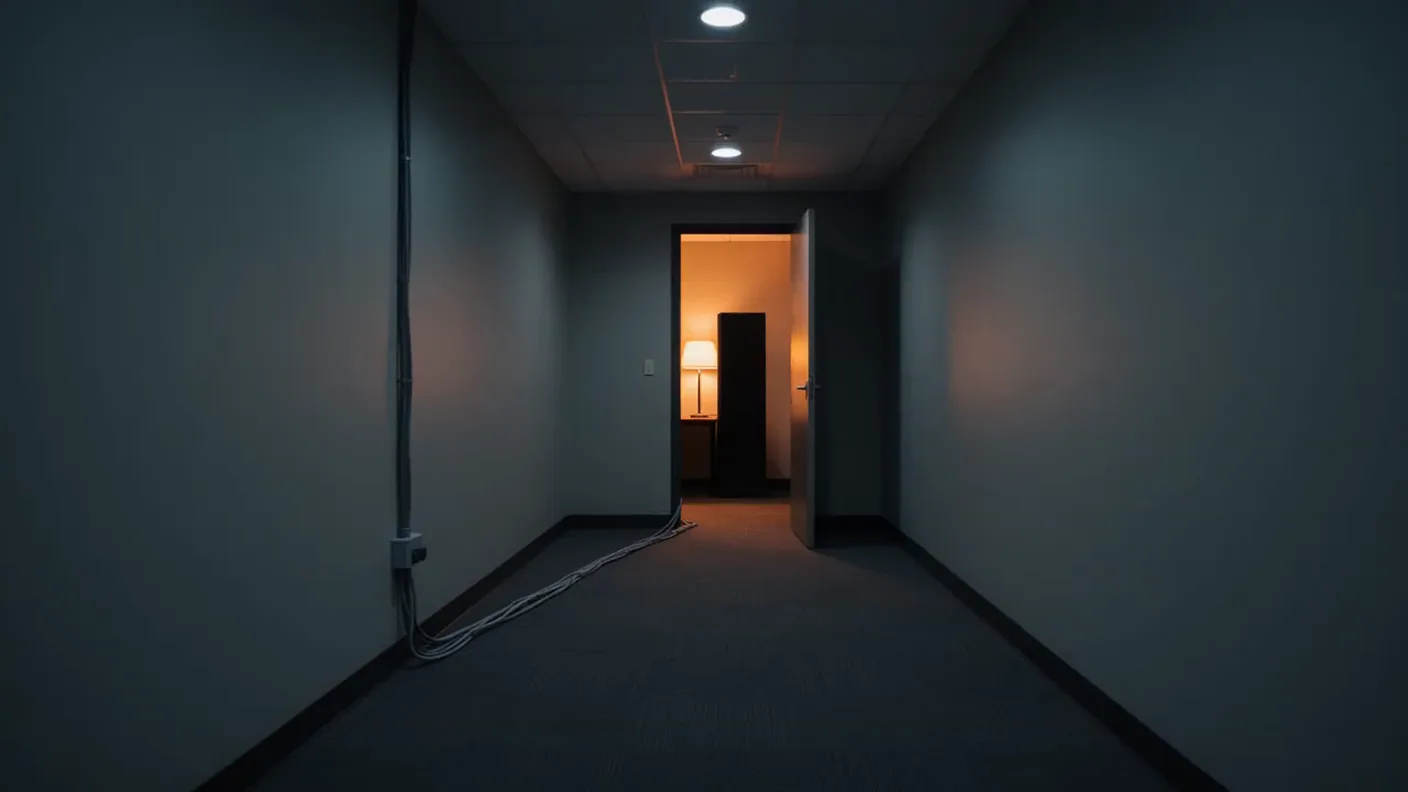
A door on a floor you control. There is one way in that is ours while the system is being supported — the management path — and it can be removed. After that we reach it only when you let us: a visit, a network window you open on your own schedule, or media by post.
The count: whoever you let through.
05 — the room
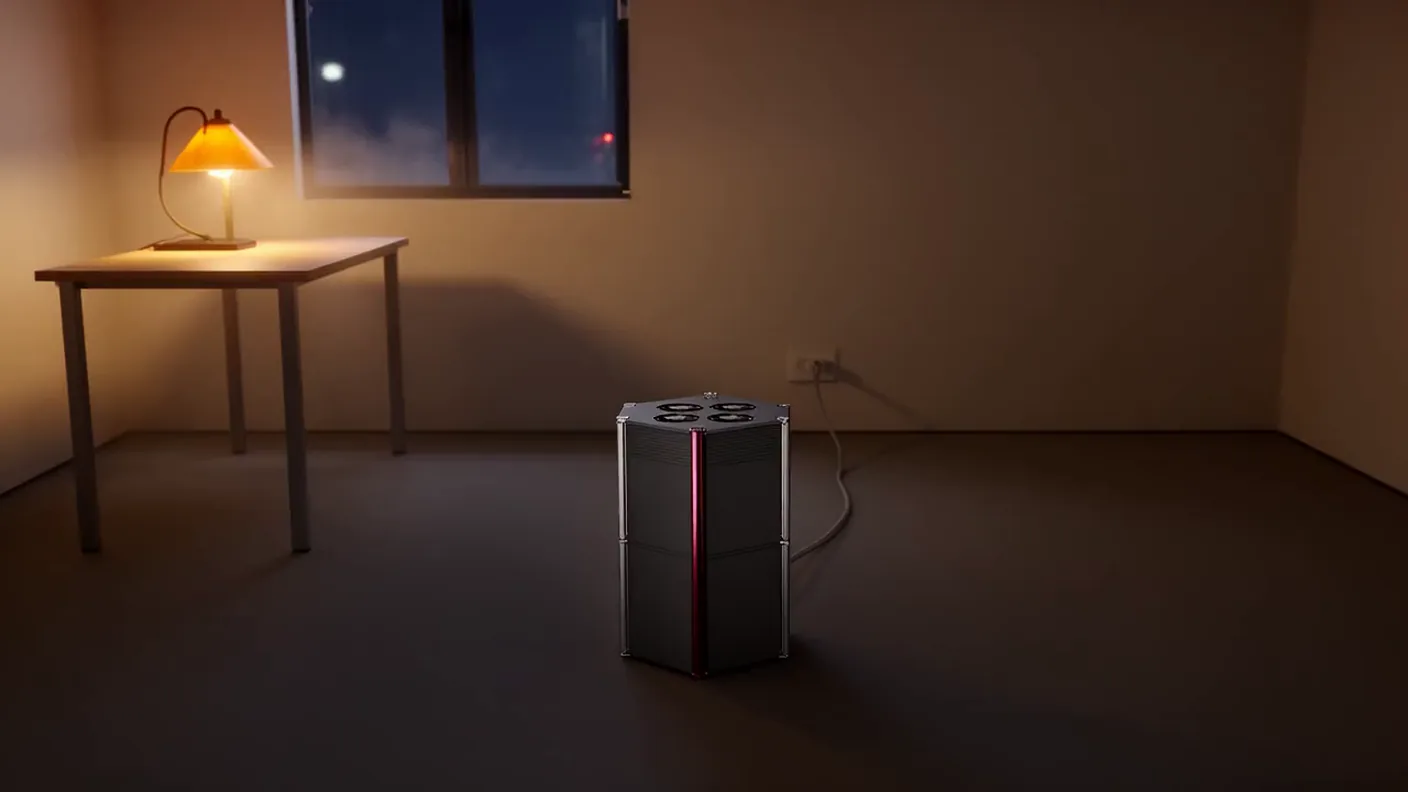
One machine, in a room you lock. No tenancy, no region to choose, no per-token bill.
The count: whoever can log in.
06 — the object
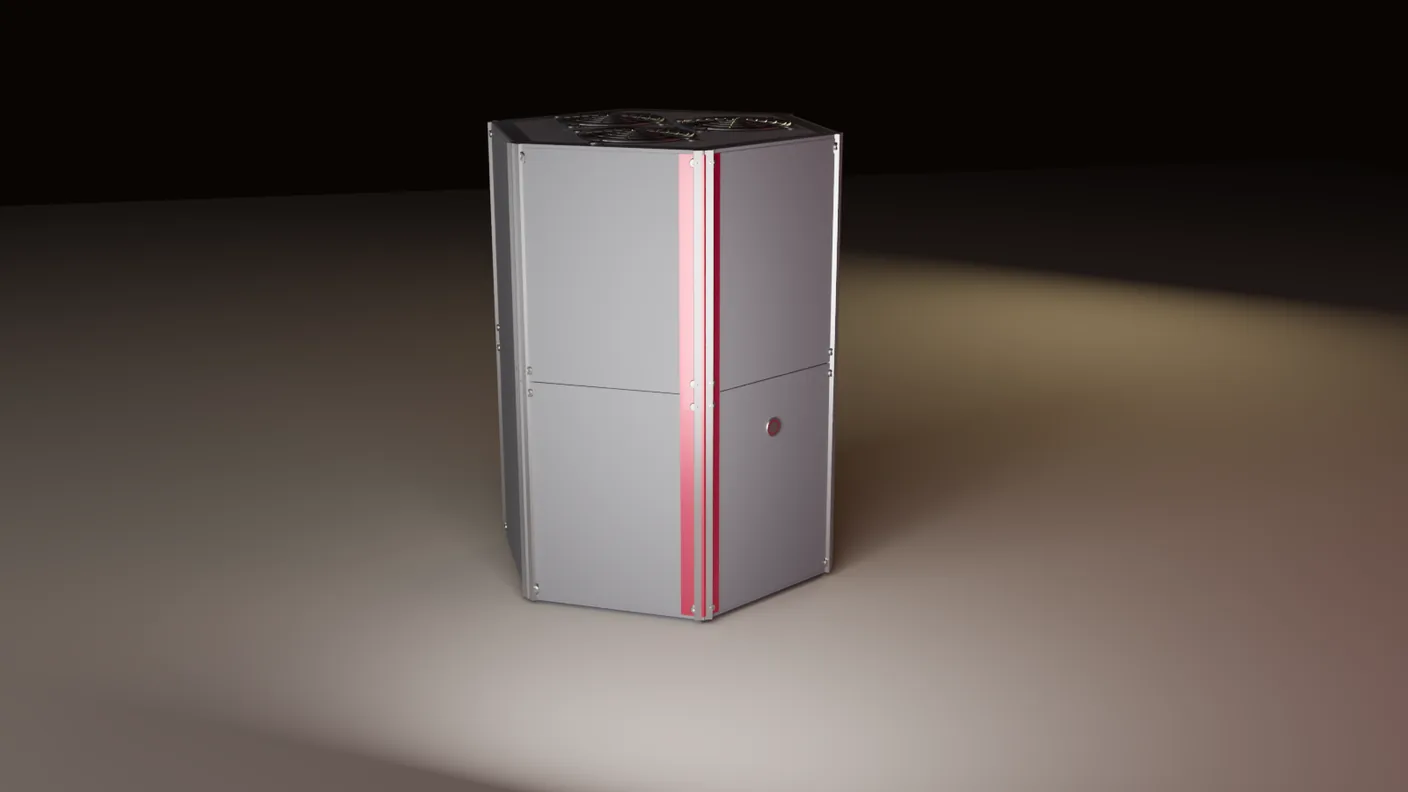
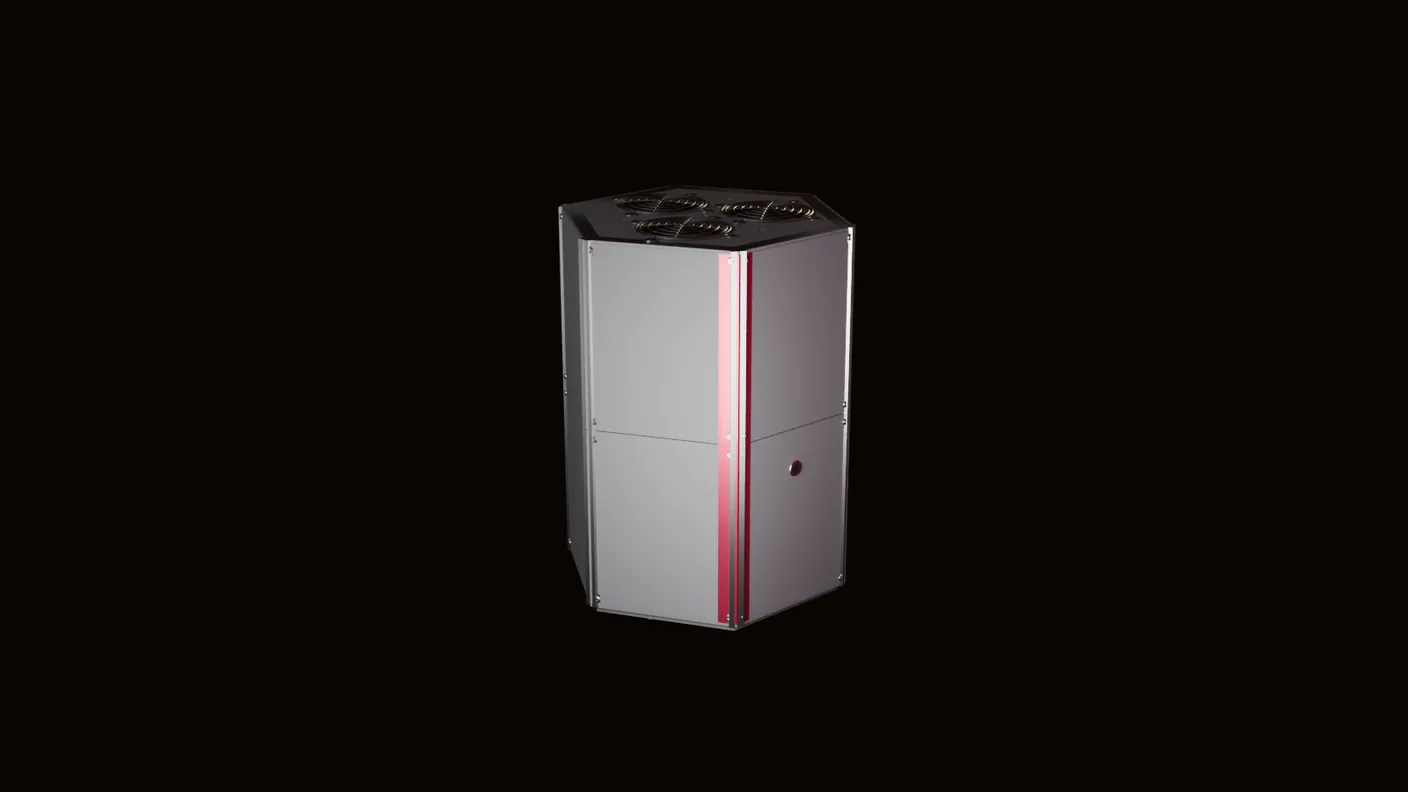
59.1 litres in a pointy-top hexagonal prism: 420 millimetres across corners, 515.8 tall, twelve facets in six faces of two rows, three fans drawing in at the floor and three exhausting at the roof, and an anodised garnet spine down the leading vertical edge. Your prompts, your documents and its answers stay inside it.
What else is it used for: nothing else.
07 — the switch
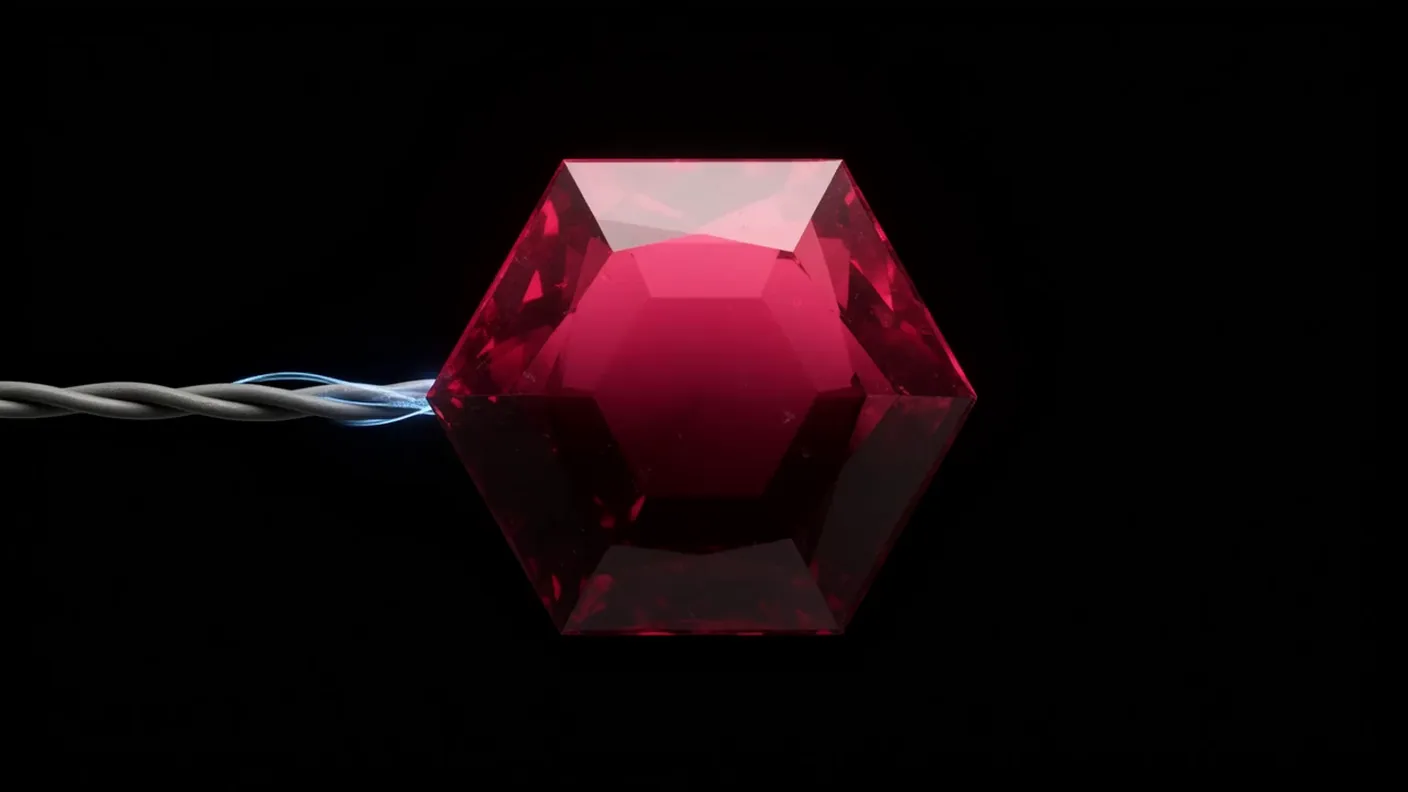
This is our mark, not a part in the box: a garnet, lit from inside. Now throw the switch. One switch, and the work has no route out. The light does not change: chat, your documents, generation and code carry on, because none of them was reaching out.
What stops: web search, fetching a page, new models. You open the network for those, on your own schedule, and close it again.
The count: unchanged.

08 — the count
One building. One room. One machine. One copy, kept until you delete it.
The count is one.
09 — the design, turning
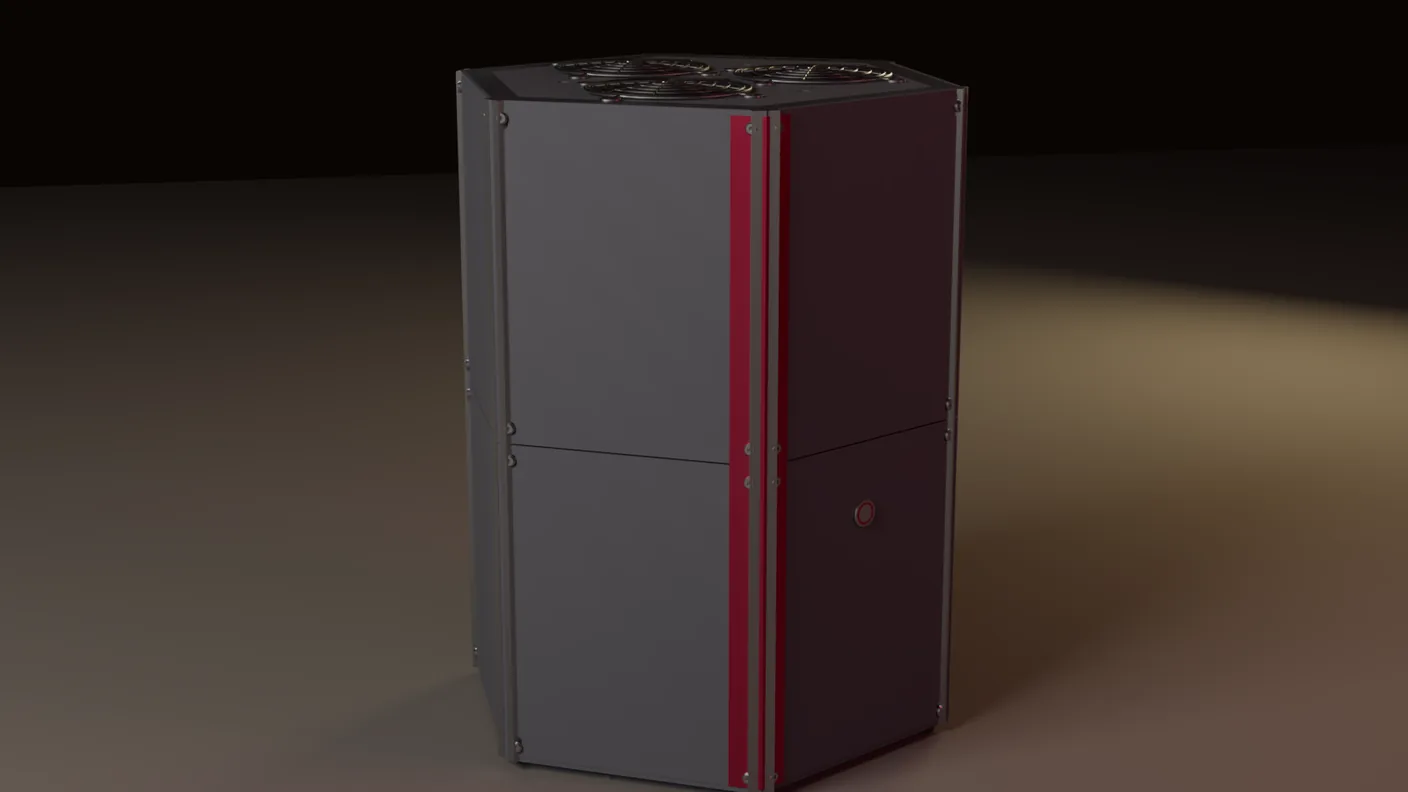
The same enclosure, turned once. This is the design file, not a photograph: a regular hexagonal prism with a vertex facing the room, the spine on the leading edge, the roof and floor plates carrying three fans each. Nothing has been printed, and the design is still being completed.
Scroll, and it turns. Scroll back, and it turns the other way.
10 — the design, apart
Now it comes apart, in the order it goes together: twelve facets off the frame, the roof and floor plates, the board tray, the card and its bracket, the supply at the floor. Every part on screen is a part the design file contains; nothing has been added to make the drawing look busier.
Rendered from the machine's own design file, in the materials it is designed in. Read it as the design, not as a photograph of a product.
One machine, in a building you already hold, doing the work without reaching out. No tenancy, no region to choose, no per-token bill.
Answers only from this site’s own text. Runs on Cloudflare, not on a Garnet — your question is sent to Cloudflare’s cloud, which is the opposite of what a Garnet build does.
Ask what Garnet does, does not do, or costs.